
Native Plant Myths Debunked

Australian Native Plants: Common Myths Debunked
Australian native plants are often misunderstood—even by seasoned gardeners. These myths can lead to mismatched expectations and poor plant health. The truth is: native species thrive in very specific environments, and not every Australian region suits every native plant.
Myth #1: Native Plants Don't Need Water
Wrong! Rainforest natives like Tristaniopsis laurina (water gum) grow beside creeks and rivers—they need regular watering to encourage deep-root growth and stability. Even dry forest shrubs such as Leptospermum polygalifolium require consistent watering until they’re fully established—usually up to 18 months.
Watering Schedule
- Week 1: Daily
- Week 2: Every second day
- Until established: Twice a week
Myth #2: Native Plants Don’t Need Fertiliser
Native ecosystems naturally recycle nutrients through leaf litter, wildlife droppings, and decaying organic matter. But home gardens rarely mimic that richness. To keep your plants thriving, you'll need to supplement nutrients:
- Use one specifically formulated for Australian natives—low phosphorus is key
- Choose between organic (builds soil health) and synthetic (fast nutrient release)
- Apply soluble fertiliser as needed for well-rounded feeding
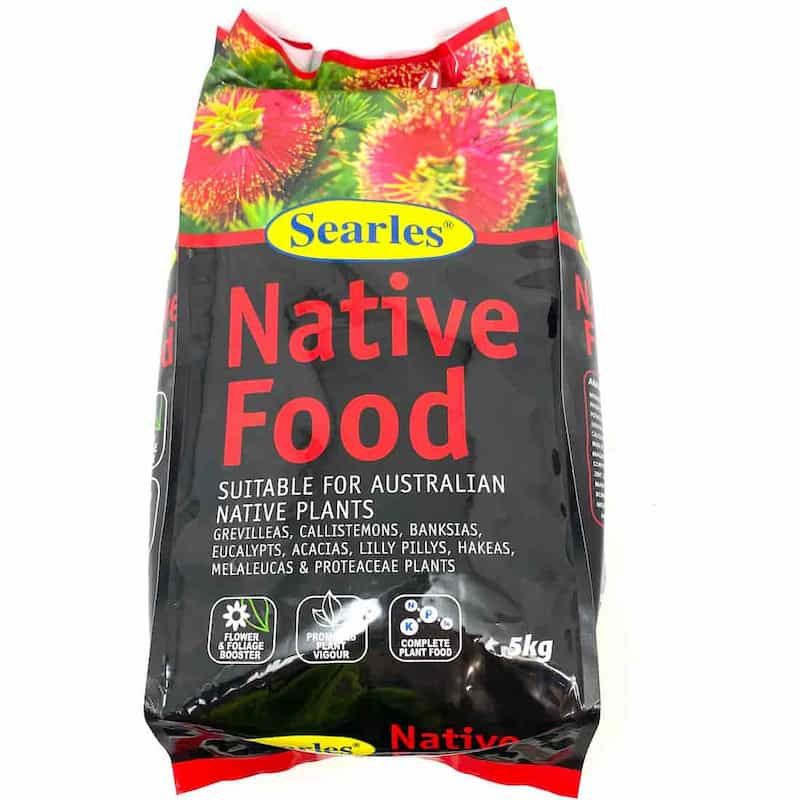
- Try Searles Native Plant Food, applied every 8–10 weeks during spring to autumn
Myth #3: Any Potting Mix Will Do
Not all natives tolerate phosphorus-rich soils. Some species—like Grevillea, Protea and Banksia—may even die if their roots are teased during repotting.
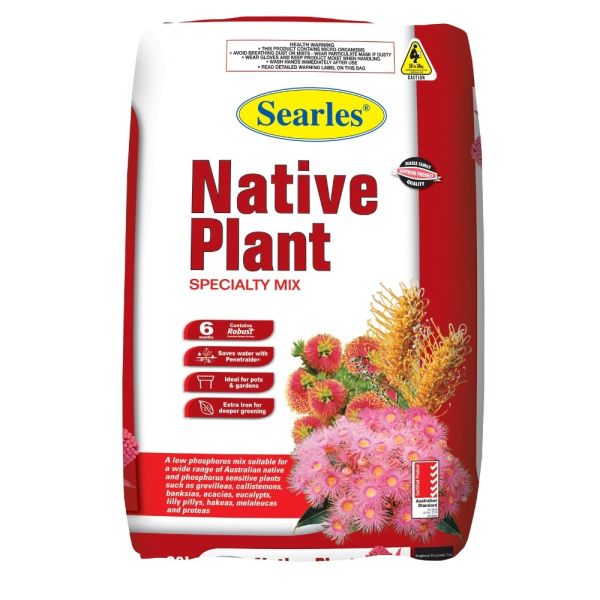
- Choose a native-specific potting mix, such as Searles Native Plant Specialty Mix, designed for low phosphorus and high nutrient retention
- Avoid disturbing roots of sensitive species during transplanting
Myth #4: Natives Can Grow Anywhere in Australia
Native doesn’t mean universally adaptable. Frost, humidity, rainfall, and soil type all affect survival. A Grevillea planted in clay soil may struggle during wet seasons due to root rot—even if it’s fine with hand-watering during dry spells.
Golden Rule: Match the plant to your local environment, or be prepared to modify conditions drastically.
More Handy DIY Tips and Tricks
-
November 06, 2025
Everything You Need to Know About Growing Healthy Cacti and Succulents
Just starting your gardening journey and looking to learn all things cacti? Whether you are a beginner or your established plants are ready for a refresh, now is the perfect time to give them a boost. This month, the Searles Cacti & Succulent Mix 25L is on special, making it the
-
October 16, 2025
Why choose Kashmiri pebbles?
Kashmiri Pebbles is a well-known importer and supplier in Australia of decorative natural and polished stones. Their range includes tumbled, polished, mosaic and crushed pebbles in a wide variety of colours and sizes – and we stock all of them! Because they’re non-organic, they won’t rot or break down like bark mulch, so
-
October 13, 2025
We recently delivered a massive amount to The Prince Charles Hospital in Chermside to complete the finishing touches on their latest renovation.
Our forest mulch is a natural choice for large-scale plantings. Not only helping retain moisture and suppress weeds, but also to help support healthy soil conditions for the hundreds of new native plants
-
September 25, 2025
When it comes to mulches, Rocky Point’s sugar cane mulch stands out for being 100% organic, clean, and nutrient-rich because it’s made from finely chopped sugar cane leaves and undergoes a dust-extraction process, it’s much less messy than many coarse mulches or wood chips.
Some of its key benefits include:
- Moisture retention: it helps the soil